

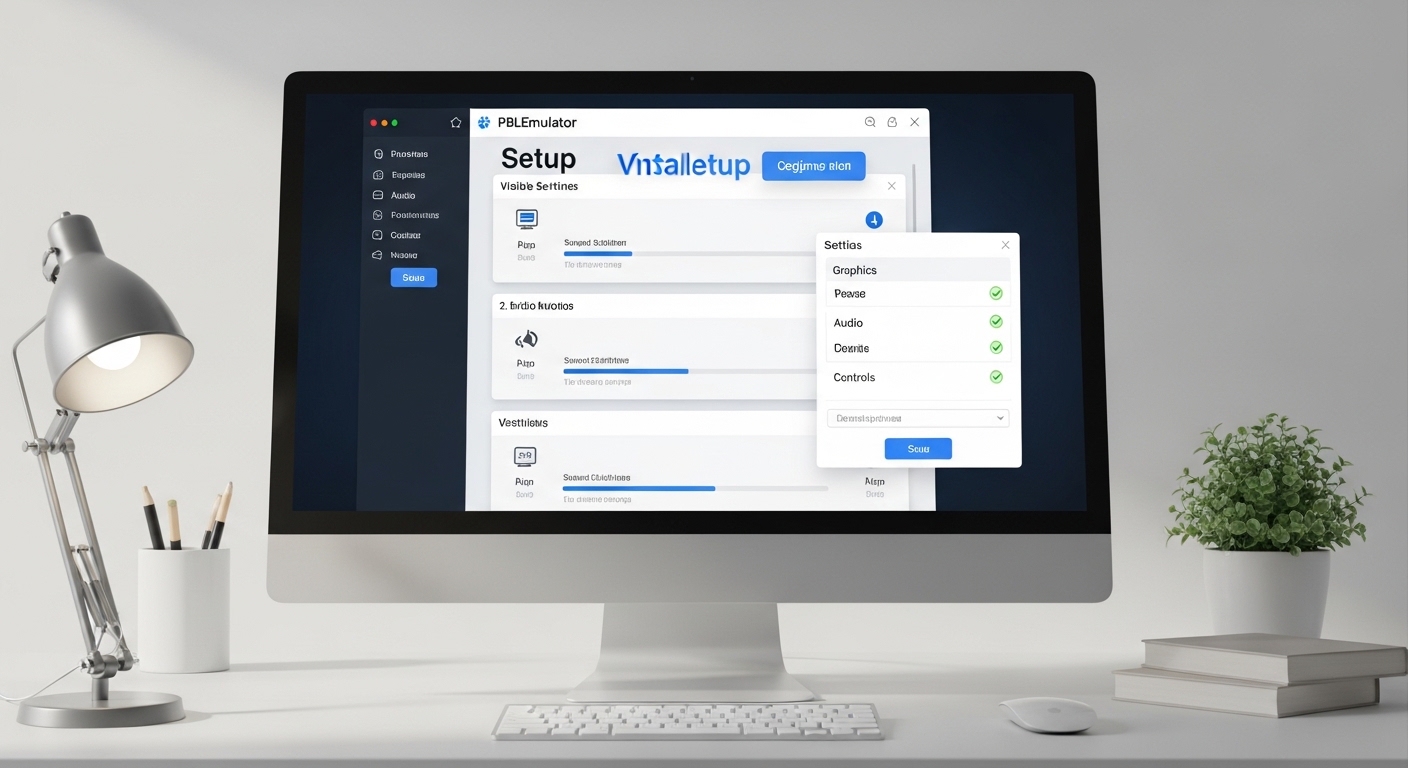
Setting up an emulator can feel confusing at first, especially if you are new to it. This guide explains the set up for pblemulator in a clear and simple way so anyone can follow along. From understanding what PBLEmulator is to completing the full setup and troubleshooting common issues, this article covers everything you need to know.
What Is PBLEmulator?
Before starting the set up for pblemulator, it is important to understand what it does.
PBLEmulator is a software tool that allows one system or application to behave like another. It creates a virtual environment where specific programs, tools, or games can run without needing the original hardware. Many users choose PBLEmulator because it is lightweight, reliable, and easy to manage once properly set up.
The key to smooth performance is following the correct setup steps from the beginning.
Why Proper Set Up for PBLEmulator Matters
A correct set up for pblemulator ensures:
- Stable performance
- Fewer errors or crashes
- Faster loading times
- Better compatibility with supported files
Skipping steps or rushing the setup may lead to problems later. Taking time to set it up properly saves effort in the long run.
System Requirements for PBLEmulator
Before starting the set up for pblemulator, make sure your system meets the basic requirements.
Minimum System Requirements
- A modern Windows, macOS, or Linux operating system
- At least 4 GB of RAM
- 2 GHz processor or higher
- 500 MB free storage space
- Updated graphics drivers
Recommended System Requirements
- 8 GB RAM or more
- SSD storage for faster performance
- Stable internet connection (for updates and files)
Meeting the recommended requirements improves overall experience.
Preparing Your System Before Setup
Preparation is an important part of the set up for pblemulator.
Update Your Operating System
Make sure your operating system is fully updated. Updates often fix bugs and improve compatibility.
Free Up Storage Space
Remove unused files or programs so PBLEmulator has enough room to run smoothly.
Install Required Dependencies
Some systems may require additional software libraries or frameworks. Always follow the instructions provided with PBLEmulator.
Downloading PBLEmulator Safely
The next step in the set up for pblemulator is downloading the software.
- Only download PBLEmulator from its official or trusted source
- Avoid modified or unofficial versions
- Check file size and version number before installing
Downloading from a trusted source reduces the risk of malware or corrupted files.
Installing PBLEmulator Step by Step
Once downloaded, you can begin the actual set up for pblemulator.
Step 1: Run the Installer
- Double-click the installer file
- Allow necessary permissions if prompted
Step 2: Choose Installation Location
- Select a folder with enough storage
- Avoid system-protected folders for easier access
Step 3: Complete Installation
- Follow on-screen instructions
- Wait until the installation finishes
After installation, restart your system if recommended.
First-Time Launch Setup
The first launch is a crucial part of the set up for pblemulator.
Initial Configuration
When you open PBLEmulator for the first time:
- Select your preferred language
- Choose default settings or manual configuration
- Accept license agreements
Interface Overview
Spend a few minutes exploring the interface. Familiarity helps you avoid mistakes later.
Configuring Settings in PBLEmulator
Correct configuration improves performance and stability during the set up for pblemulator.
Graphics Settings
- Choose resolution suitable for your system
- Enable or disable hardware acceleration
- Adjust frame rate limits if available
Audio Settings
- Select correct audio output device
- Adjust volume and sound quality
Input Controls
- Set up keyboard or controller inputs
- Test controls to ensure responsiveness
Adding Required Files to PBLEmulator
Many users face issues because this step is skipped during the set up for pblemulator.
File Placement
- Create a dedicated folder for required files
- Use clear file names
- Avoid mixing unrelated files
File Verification
- Ensure files are complete and uncorrupted
- Check supported file formats
Correct file placement helps PBLEmulator recognize and load files properly.
Testing the Setup
Testing confirms that your set up for pblemulator was successful.
Run a Test Session
- Load a sample file
- Check performance and loading time
- Listen for audio clarity
Watch for Errors
If you notice lag, crashes, or missing features, revisit your settings.
Common Issues During Set Up for PBLEmulator
Even with careful setup, some issues may appear.
Emulator Not Opening
- Check system requirements
- Reinstall the software
- Update graphics drivers
Files Not Loading
- Verify file location
- Confirm supported formats
- Check permissions
Performance Problems
- Lower graphics settings
- Close background applications
- Upgrade system resources if needed
Most problems can be fixed with simple adjustments.
Updating PBLEmulator After Setup
Keeping PBLEmulator updated is part of ongoing set up for pblemulator maintenance.
Why Updates Matter
- Bug fixes
- Performance improvements
- New features
How to Update
- Use built-in update option if available
- Download updates from official sources only
Regular updates keep the emulator running smoothly.
Safety and Best Practices
Follow these tips to ensure long-term success with your set up for pblemulator.
- Back up important files
- Avoid unknown plugins
- Keep antivirus software active
- Do not modify core emulator files unnecessarily
These practices help prevent data loss and system issues.
Optimizing Performance After Setup
Once the basic set up for pblemulator is complete, optimization can enhance your experience.
Adjust Advanced Settings
- Fine-tune graphics and audio
- Enable performance modes
Monitor System Usage
- Check CPU and RAM usage
- Close unused applications
Small changes can make a big difference in performance.
FAQs About Set Up for PBLEmulator
1. Is set up for pblemulator difficult?
No, it is simple if you follow each step carefully.
2. Can PBLEmulator run on low-end systems?
Yes, but performance may be limited.
3. Do I need internet after setup?
Only for updates or downloads.
4. Why is my emulator slow after setup?
Settings may be too high for your system.
5. Is it safe to update PBLEmulator regularly?
Yes, updates improve stability and security.
Conclusion
The set up for pblemulator does not have to be complicated. By preparing your system, downloading the software safely, following the installation steps, and configuring settings carefully, you can enjoy smooth and reliable performance. Testing your setup and keeping the emulator updated ensures long-term stability. With the right approach, PBLEmulator becomes an easy and powerful tool that works exactly as expected.
